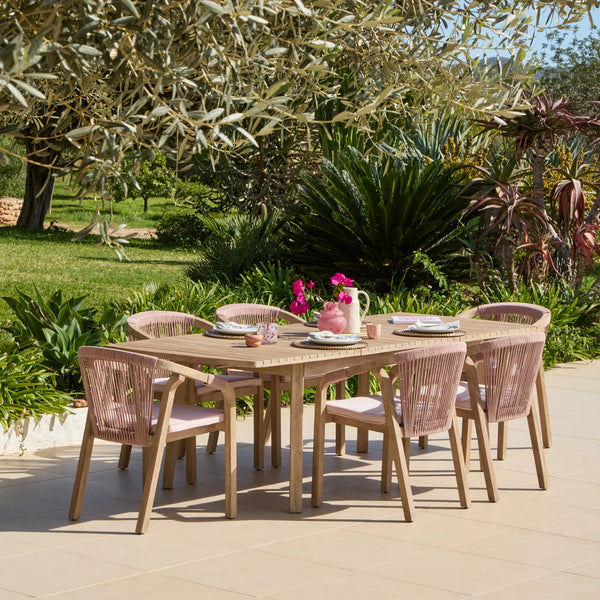
In a world increasingly driven by fast trends and disposable goods, the concept of investing in quality has become more profound than ever. This is particularly true when it comes to furnishing our living spaces, both indoors and out. Among the myriad choices available, solid wood furniture stands as a testament to enduring value, unparalleled strength, and timeless beauty. While often associated with heirloom indoor pieces, the true power of solid wood shines brightest when exposed to the elements, making it the definitive choice for sophisticated and resilient wooden garden furniture.
The decision to opt for solid wood for your outdoor areas isn't just about aesthetics; it's a commitment to longevity, sustainability, and a superior user experience. Imagine a sturdy picnic table that hosts countless family gatherings, a comfortable bench where you read through changing seasons, or elegant dining sets that weather storms and sunshine alike, all while gaining character rather than deteriorating. This article delves into why solid wood furniture, especially for your garden, balcony, or patio, represents a smart, long-term investment, celebrated for its durability and the rich narrative it brings to any space.
The Unrivaled Durability of Solid Wood
What makes solid wood inherently superior, particularly for demanding environments like a garden? The answer lies in its fundamental structure and composition. Unlike engineered wood products such as MDF, particle board, or even veneers, solid wood is cut directly from timber logs. This means it possesses the natural cellular structure of the tree, giving it incredible inherent strength, stability, and resistance to wear and tear.
For wooden garden furniture, this translates into several critical advantages:
- Structural Integrity: Solid wood pieces are less likely to warp, crack, or delaminate under stress or fluctuating temperatures compared to composite materials. Their natural density provides a robust framework that can withstand daily use and environmental challenges.
- Natural Resilience: Certain types of solid wood, like teak, cedar, acacia, and eucalyptus, contain natural oils and resins that act as intrinsic repellents against moisture, insects, and fungal decay. This makes them exceptionally well-suited for outdoor applications, where exposure to rain, humidity, and pests is a constant concern.
- Repairability: Unlike veneered furniture, which can be irreparably damaged if scratched or chipped through the thin veneer layer, solid wood can be sanded, refinished, and repaired countless times. Scratches, dents, or sun fading can often be buffed out or treated, restoring the furniture to its original glory or even enhancing its character with a new finish.
- Weight and Stability: The substantial weight of solid wood provides excellent stability, preventing lighter furniture from being easily blown over by strong winds or shifting on uneven surfaces. This is a practical benefit for any outdoor setting.
While the initial cost of solid wood garden furniture might be higher than alternatives, its extraordinary lifespan and the ability to repair rather than replace it offer significant long-term savings. It's not merely furniture; it's an heirloom in the making, capable of being passed down through generations.
Craftsmanship That Stands the Test of Time
Durability in solid wood furniture isn't solely a function of the material itself; it's profoundly enhanced by the expertise applied during its creation. The finest solid wood pieces, whether destined for a grand garden or a cozy balcony, are often the result of 1st Class handmade craftsmanship. This dedication to excellence elevates a simple piece of wood into a work of art that is built to last.
True craftsmanship for Luxury Solid Wood Furniture: Handcrafted for Any Space involves:
- Traditional Joinery Techniques: Modern furniture often relies on screws and nails, which can loosen over time, especially with expansion and contraction due to weather. Master craftsmen, however, utilize time-honored joinery methods such as mortise and tenon, dovetails, and tongue and groove. These interlocking wood joints create incredibly strong and stable connections that are designed to resist stress and movement, ensuring the furniture remains rigid and intact for decades.
- Attention to Detail: Handmade pieces benefit from meticulous attention to every curve, edge, and surface. This includes careful selection of wood grain for aesthetic appeal and structural integrity, precise sanding for a smooth finish, and expert application of protective treatments. This level of detail results in furniture that not only looks exquisite but is also flawlessly constructed.
- Quality Control: In smaller, artisan workshops, each piece of furniture undergoes rigorous quality checks throughout the production process. This contrasts with mass-produced items where defects can easily slip through. The human eye and touch of a skilled craftsman ensure that every element meets the highest standards.
- Artistic Expression: Beyond functionality, handmade solid wood furniture often carries a unique artistic flair. The slight variations, the subtle imperfections that speak of the human hand, contribute to its distinct character and charm, making each piece truly one-of-a-kind.
When you invest in handcrafted solid wood furniture, you're not just buying an object; you're acquiring a piece of art imbued with skill, passion, and an unwavering commitment to quality that guarantees its endurance.
Beyond the Garden: The Versatility of Solid Wood Furniture
While our focus remains on the incredible benefits for outdoor settings, it's important to recognize that the durability and aesthetic appeal of solid wood extend far beyond the garden gate. The same principles of quality materials and expert craftsmanship that make for exceptional wooden garden furniture also apply to pieces designed for balconies, patios, homes, offices, and even commercial spaces like shops and restaurants.
The inherent versatility of solid wood allows it to seamlessly integrate into diverse environments and design aesthetics:
- Outdoor Sanctuaries: For your garden, patio, or balcony, solid wood tables, chairs, benches, and loungers create an inviting atmosphere. They blend harmoniously with natural surroundings, offering a tactile connection to nature. Whether you prefer a rustic charm or sleek modern lines, solid wood can be crafted to match your vision. You can Discover the Timeless Appeal of Traditional Wooden Garden Furniture or explore contemporary designs, all benefiting from the material's inherent qualities.
- Indoor Elegance: Inside the home, solid wood furniture adds warmth, sophistication, and a sense of permanence. Dining tables, cabinets, beds, and sideboards made from solid timber become central features, offering both beauty and robust functionality that withstands daily family life.
- Professional & Commercial Spaces: In offices, waiting rooms, or retail environments, solid wood furniture projects an image of stability, quality, and timeless professionalism. Desks, conference tables, and display units not only endure heavy use but also contribute to a sophisticated and welcoming ambiance, conveying a message of enduring value to clients and employees alike.
The beauty of solid wood is that it offers consistency in quality and style across all these applications. A piece of furniture crafted from high-grade solid wood, whether it's a magnificent dining table for your home or a robust bench for your garden, carries the same promise of resilience and lasting appeal. It adapts, it endures, and it consistently elevates its surroundings.
Choosing and Caring for Your Wooden Garden Furniture Investment
Maximizing the lifespan and beauty of your wooden garden furniture requires thoughtful selection and consistent care. By making informed choices upfront and following simple maintenance routines, you can ensure your investment continues to pay dividends for many years.
Selecting the Right Wood Type:
Not all solid woods are created equal, especially when it comes to outdoor performance. Here are some top contenders:
- Teak: Often considered the gold standard for outdoor furniture due to its exceptionally high oil content, making it naturally resistant to water, rot, fungi, and insects. Teak weathers to a beautiful silvery-gray patina if left untreated, or maintains its warm golden hue with regular oiling.
- Acacia: A durable hardwood known for its appealing grain and natural resistance to moisture. It's a more affordable alternative to teak but still offers excellent outdoor performance when properly treated and maintained.
- Cedar: Lightweight yet sturdy, cedar contains natural oils that deter insects and prevent decay. It has a beautiful reddish hue and aromatic scent.
- Eucalyptus: A fast-growing, sustainable hardwood that is dense and resistant to moisture and insect damage. It offers a warm, reddish-brown tone and is a good eco-friendly choice.
- Oak: While very durable, oak requires more diligent sealing and maintenance for outdoor use compared to naturally oily woods. However, its classic look and strength are undeniable.
Essential Care Tips for Longevity:
Even the most durable solid wood needs a little love to maintain its prime condition:
- Regular Cleaning: Annually, or as needed, clean your furniture with mild soap and water, using a soft brush or cloth to remove dirt, pollen, and grime. Rinse thoroughly and allow to air dry completely.
- Oiling/Sealing: For woods like teak, acacia, and eucalyptus, applying a specific wood oil (e.g., teak oil or linseed oil) once or twice a year will nourish the wood, help restore its color, and enhance its resistance to moisture and UV rays. For woods that don't have high natural oil content, a good quality outdoor sealant or varnish will provide a protective barrier. Always follow the product manufacturer's instructions.
- Winter Storage or Covering: In areas with harsh winters, storing your furniture indoors (a garage, shed, or basement) is ideal. If indoor storage isn't possible, invest in high-quality, breathable furniture covers to protect against snow, ice, and extreme cold.
- Address Issues Promptly: Inspect your furniture periodically for any signs of wear, loose joints, or minor damage. Tighten screws, sand down splinters, and reapply protective finishes as necessary to prevent small issues from escalating.
- Elevate from Standing Water: If possible, ensure your furniture is not sitting directly in standing water for prolonged periods. Use furniture glides or place it on a permeable surface to allow for drainage and air circulation.
By integrating these practices, you're not just maintaining furniture; you're preserving an asset that enhances your outdoor living experience year after year.
Conclusion: The Enduring Value of a Solid Wood Investment
In a marketplace saturated with fleeting trends and temporary solutions, solid wood furniture emerges as a beacon of reliability and timeless appeal. Especially for your garden, patio, or balcony, investing in quality solid wood means choosing furniture that is not only exquisitely beautiful but also engineered by nature and skilled hands to withstand the rigors of outdoor life. From its inherent structural strength and natural resistance to the elements to the unparalleled beauty of its grain and the potential for endless refinishing, solid wood offers an unmatched blend of durability, sustainability, and aesthetic pleasure.
Opting for wooden garden furniture crafted with 1st Class handmade precision is a declaration of value – value for quality, value for craftsmanship, and value for the enduring beauty it brings to your home. It’s an investment that pays dividends not just in its remarkable longevity and low replacement frequency, but in the countless memories it will host and the character it will gain over its long, distinguished life. Choose solid wood, and choose a legacy of quality for your outdoor sanctuary.